AI Decision Intelligence Tool
Sole designer on a Madrona Venture Labs-backed AI decision-intelligence tool. From blank canvas to fully designed product in six months.
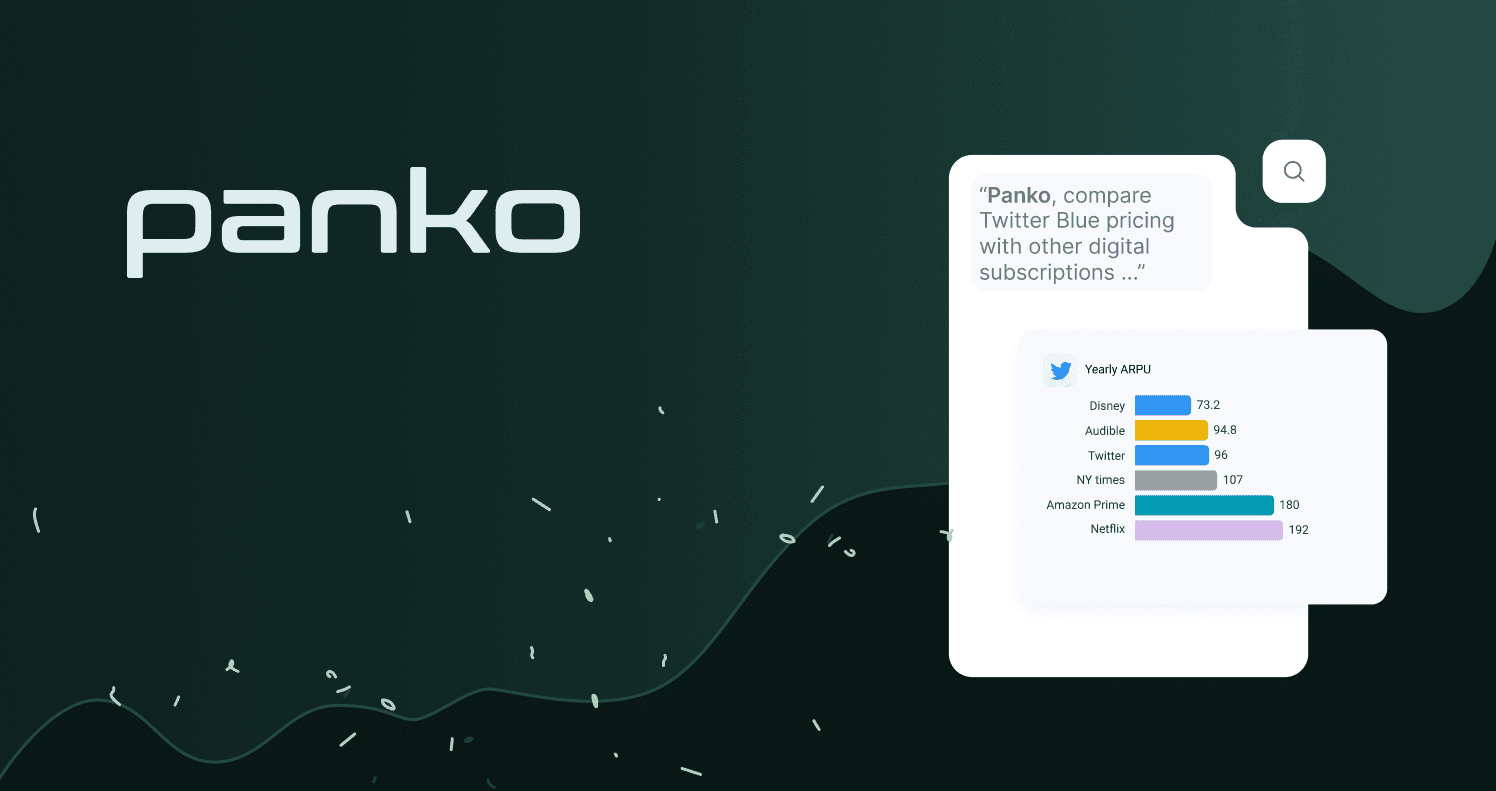
Panko was backed by Madrona Venture Labs, the fund behind early investments in Amazon and Snowflake. The idea: help business leaders structure complex decisions using AI. There was no existing product category to reference. Everything had to be figured out.
I was the only designer, working directly with CEO Seth Schuler over six months. We ran four research tracks, explored three different interaction models, and shipped a product that felt like a thinking partner rather than a form to fill out.
The Problem
Complex business decisions are often made poorly, not because people lack intelligence, but because they lack structure. Panko's thesis: AI could help users ask better questions, not just get faster answers.
The UX challenge was making that feel natural. A tool that guides analytical thinking has to feel like a thinking partner, not a form to fill out. Publicly available data exists in abundance: documents, reports, filings, but most knowledge workers have no structured way to analyse it continuously. Panko aimed to close that gap.
Research
Before any screen was designed, we ran a structured research programme across four tracks. The goal: understand the full landscape of knowledge workers, their relationship to data, and the specific failure modes in how decisions actually get made.
Each track produced artefacts that directly shaped product decisions, from the data model to the interaction model to the navigation architecture.
Research Tracks
Business & Service Design
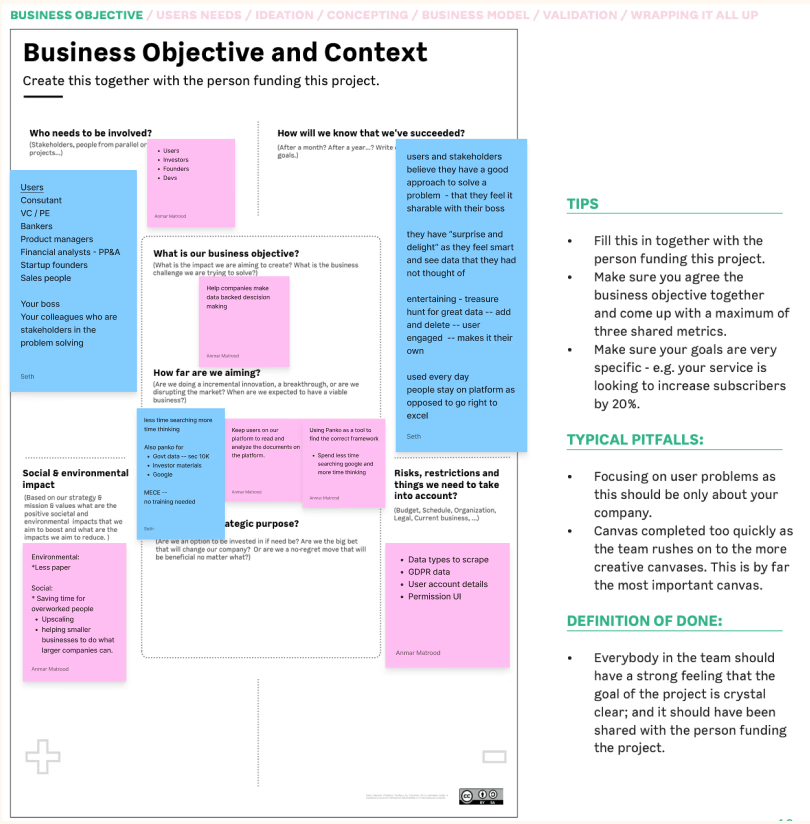
Mapped the full landscape of knowledge workers and their relationship to data-driven decisions. Defined the user archetypes, service touchpoints, and the business problem we were actually solving, before touching any screens.
Data Research
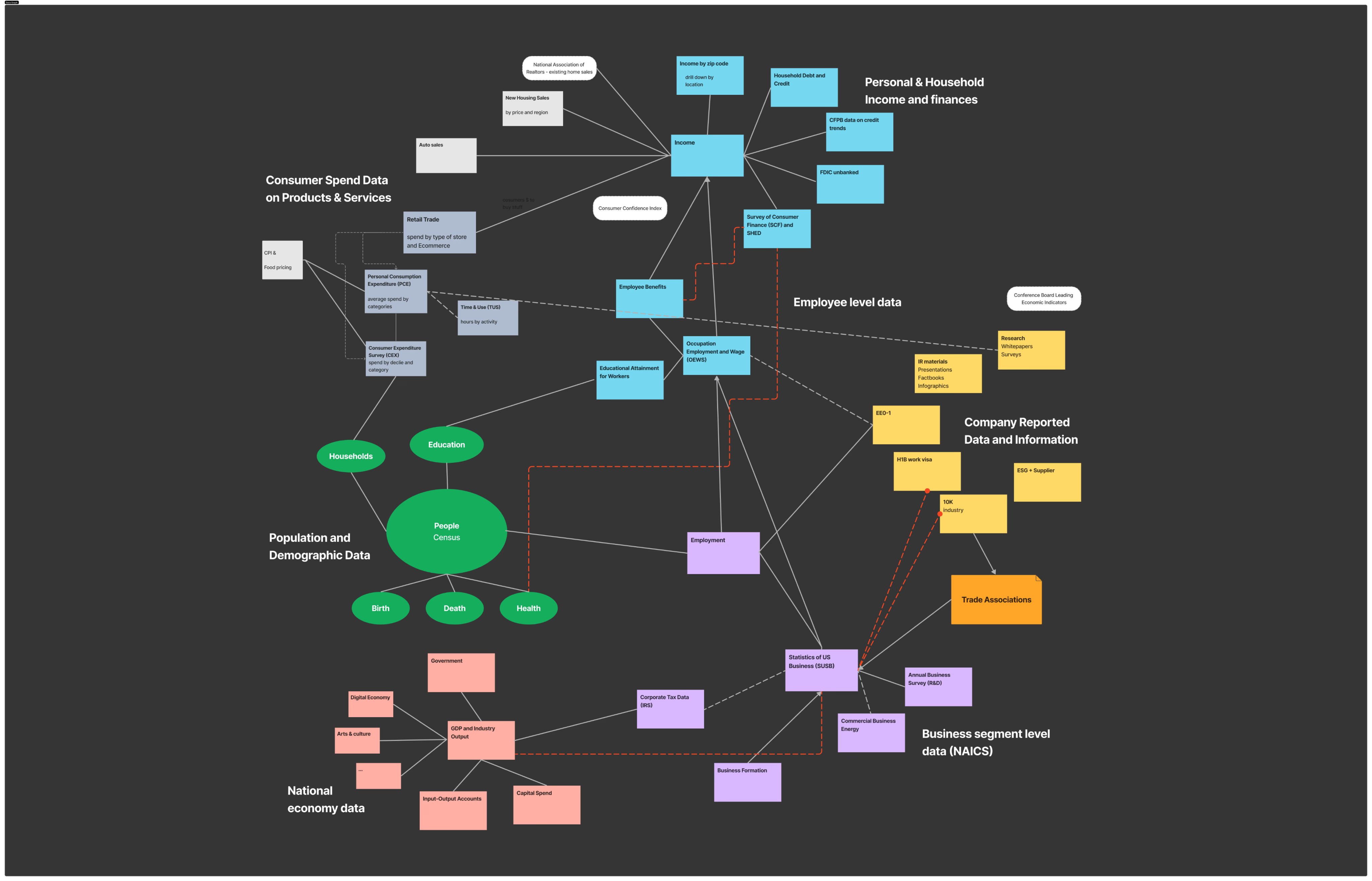
Surveyed the public data landscape: what sources exist, how they're structured, what makes them useful vs. unusable. This shaped the product's data model and the interaction patterns around source discovery.
User Interviews
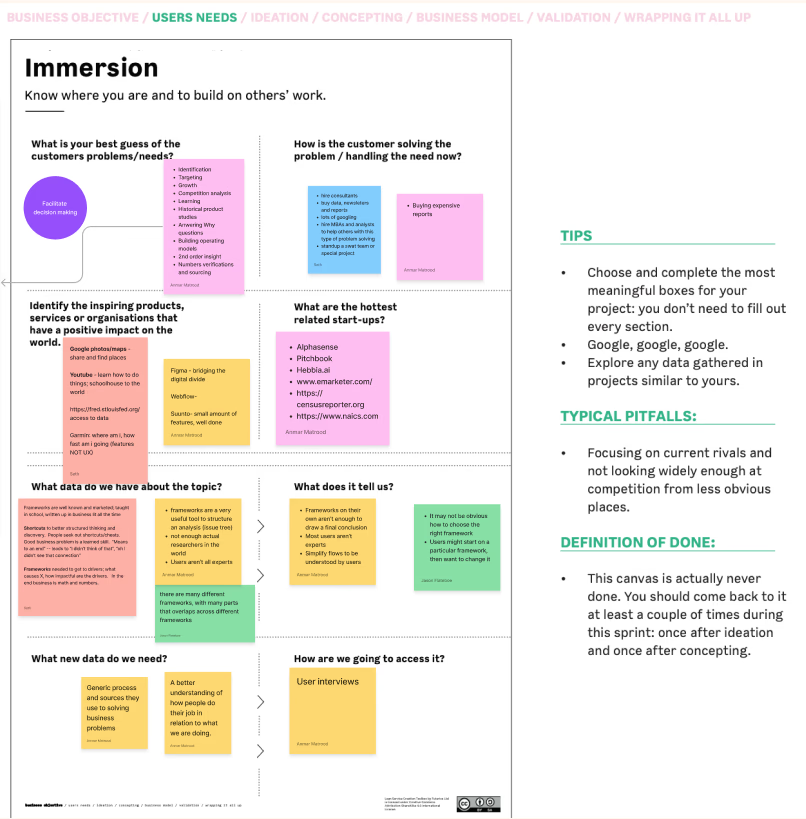
Conducted structured interviews to stress-test the core thesis: do business leaders actually want AI-structured decision frameworks, and what does 'AI collaboration' mean in practice versus in theory?
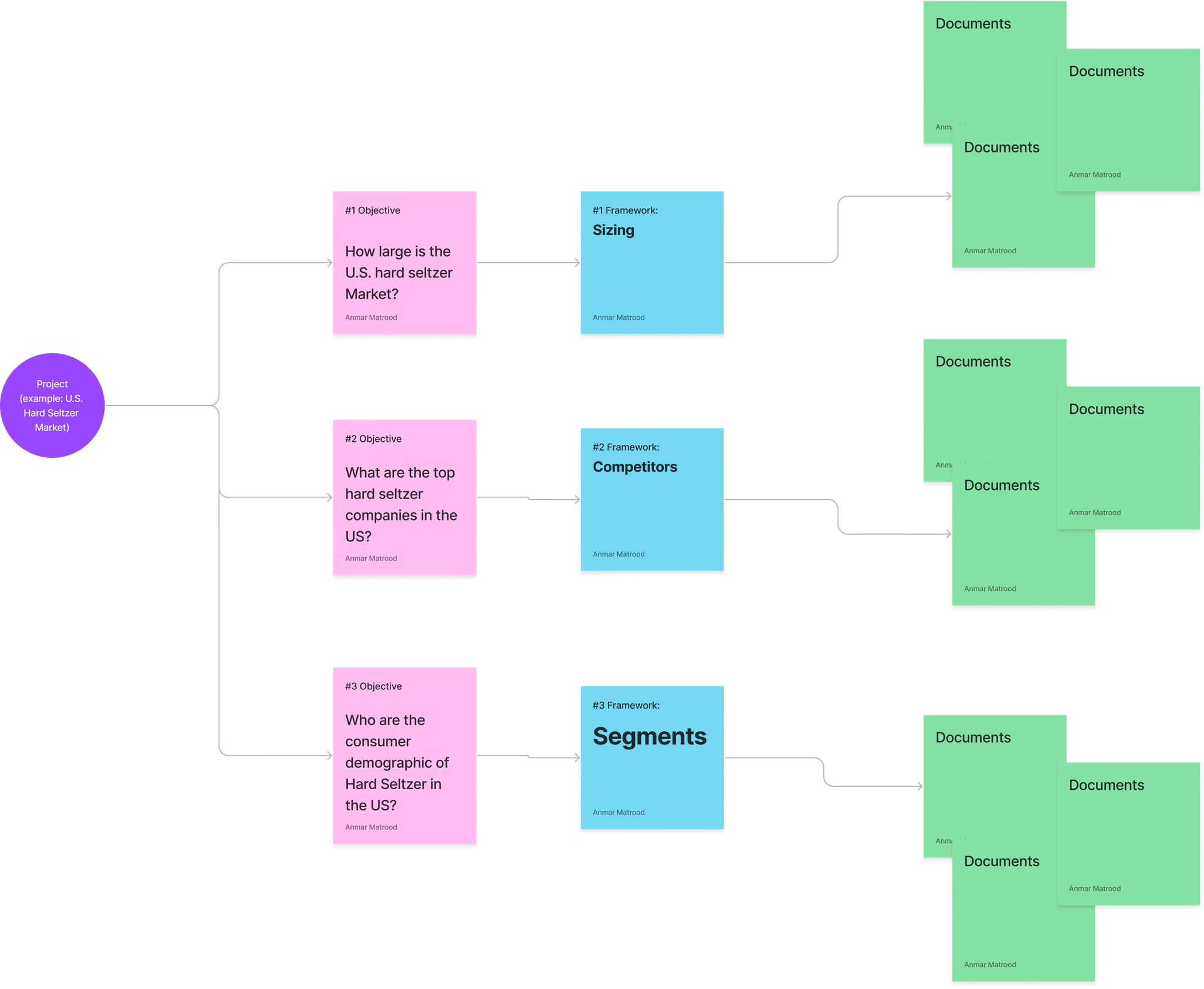
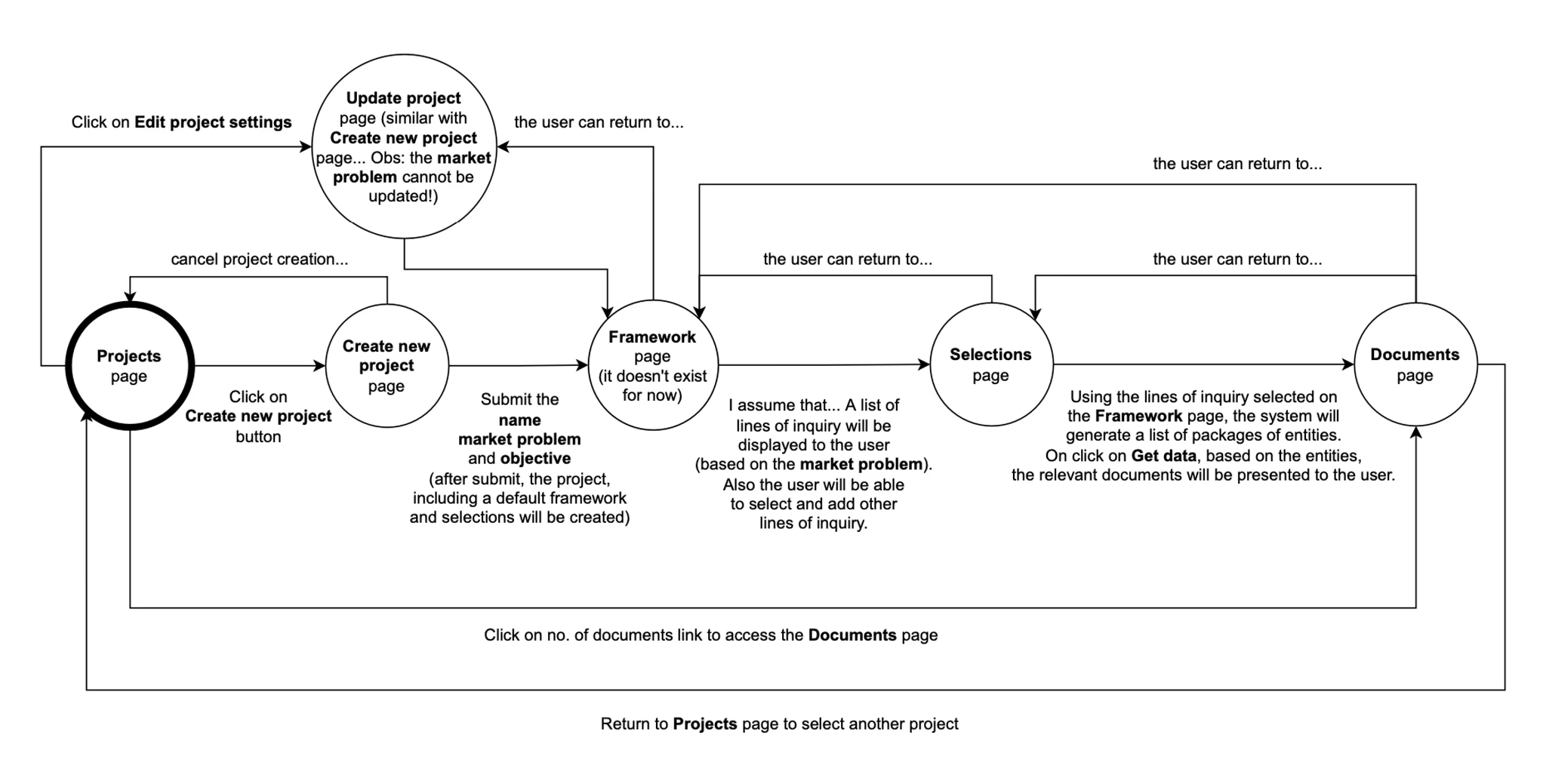
Information Architecture & Navigation
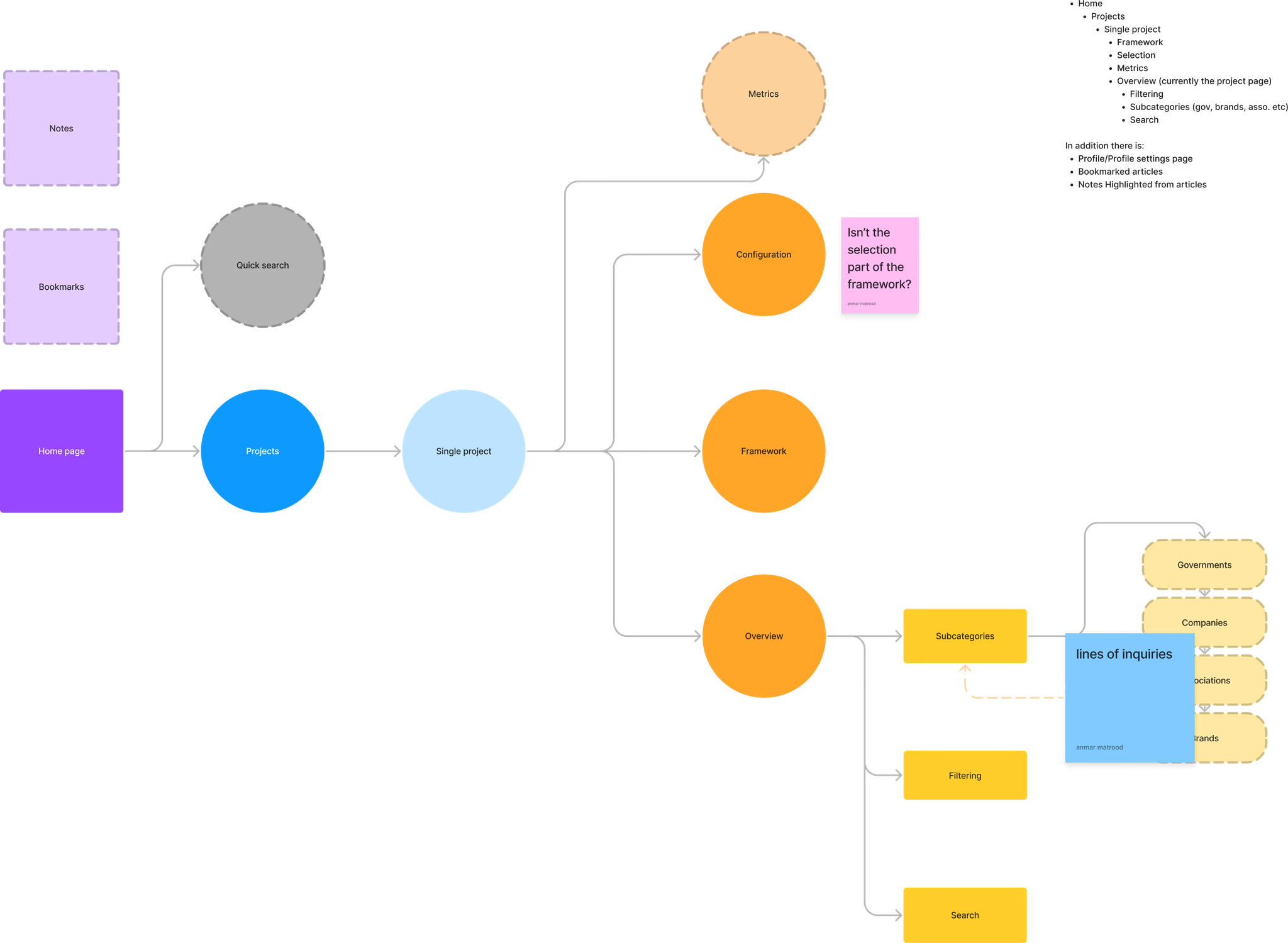
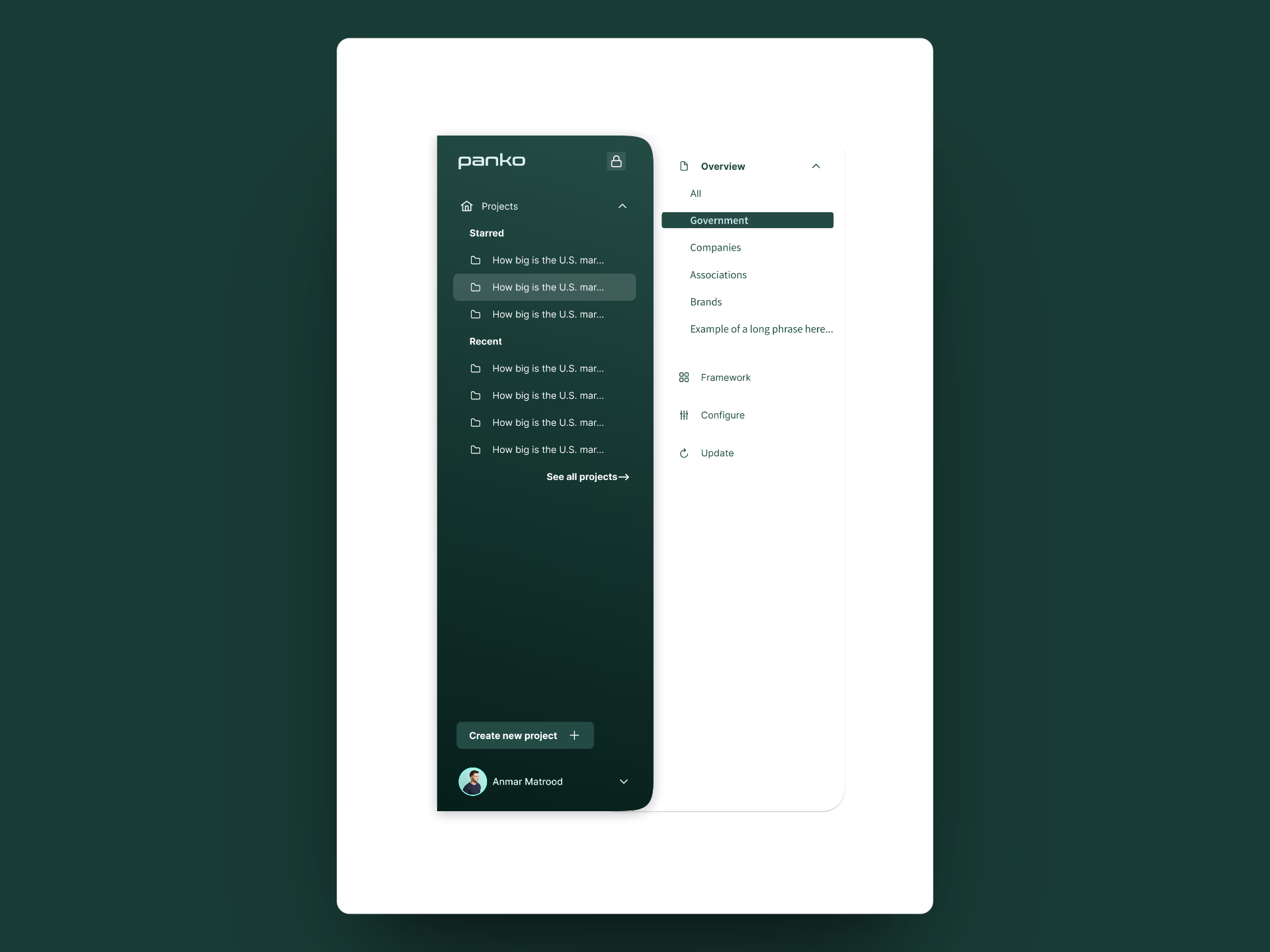
Designed the navigation model for a tool with no clear precedent. The challenge: how do you move through a non-linear analytical process in a linear UI without it feeling like a wizard?
Business & Service Design
We mapped the full landscape of knowledge workers who make data-driven business decisions: strategy consultants, market analysts, operators, and executives. The core insight: the bottleneck isn't data access, it's analytical structure. People don't lack information; they lack a systematic way to turn it into a decision.
This track produced the user archetypes, the service model, and a clear problem statement: Panko wasn't a data search tool. It was a decision structuring tool. That distinction drove every design decision that followed.
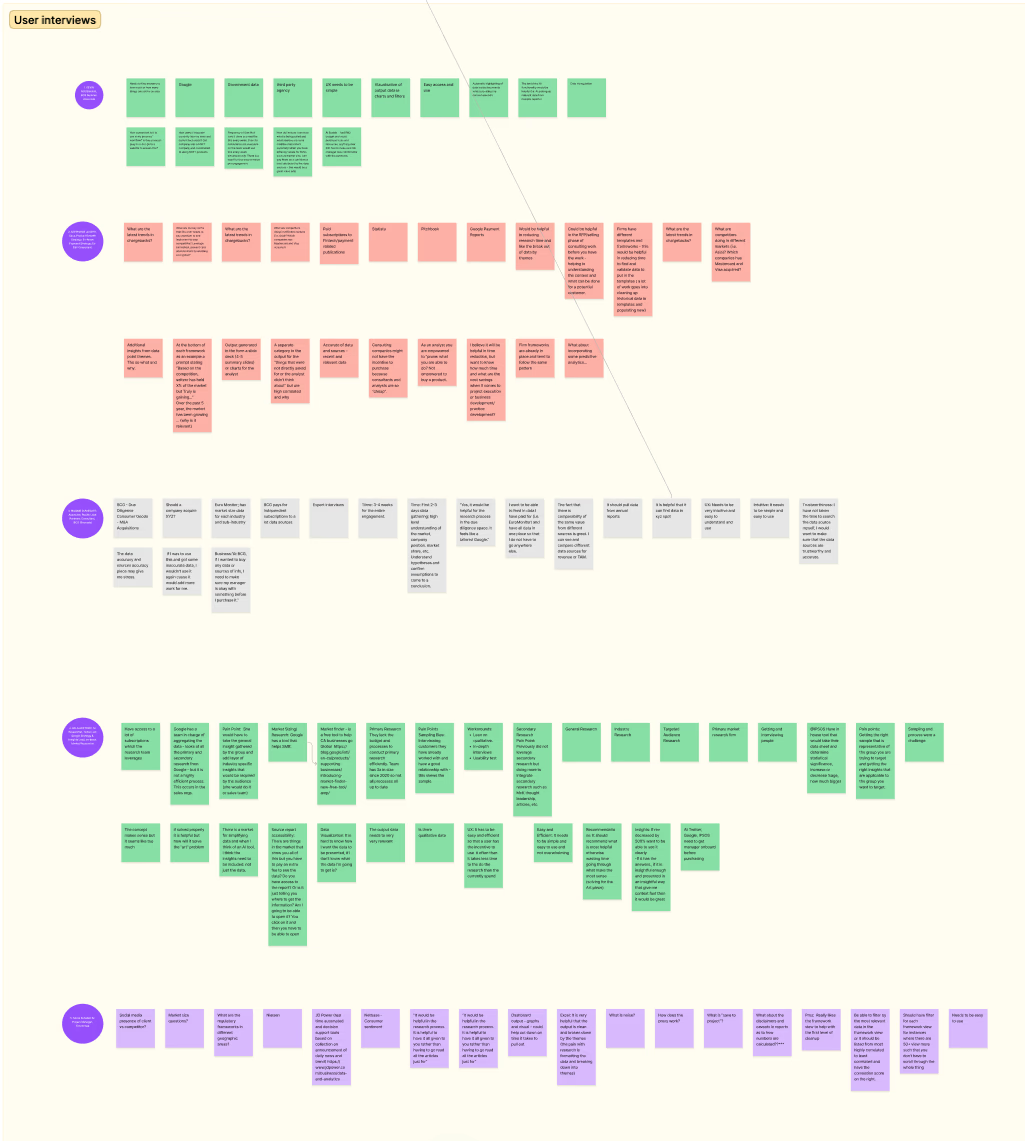
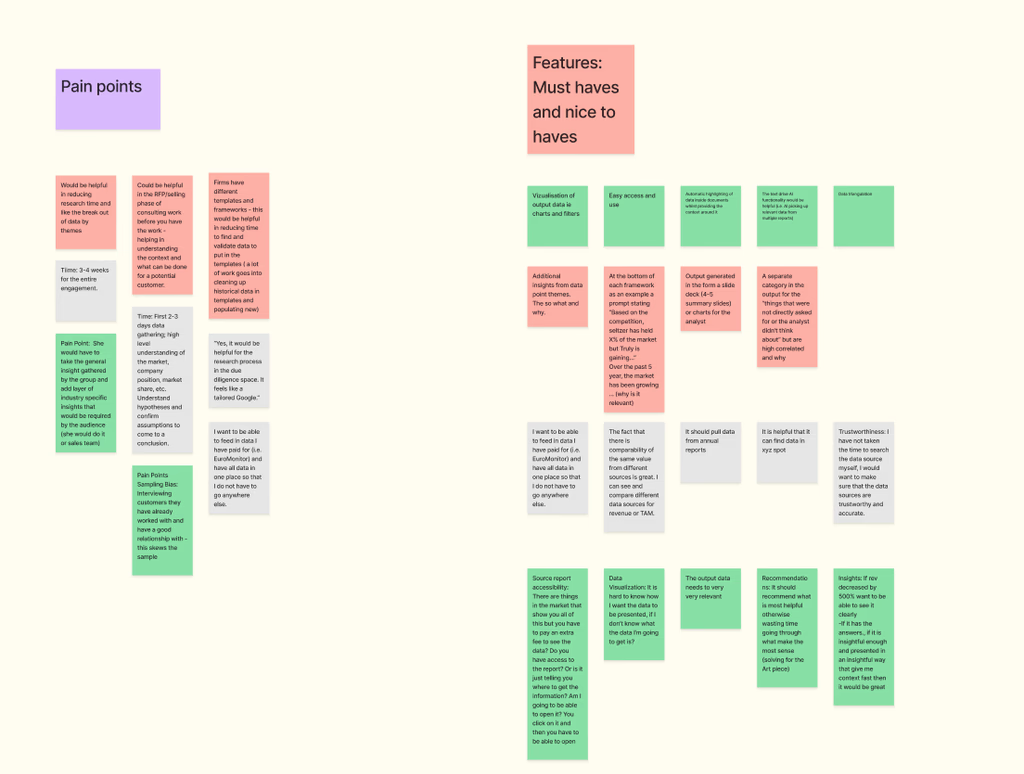
User Interviews
We conducted structured interviews with business leaders to stress-test the core thesis. Three questions drove the research: how do they currently structure complex decisions, where does that process break down, and what would 'AI collaboration' actually need to do, not just be fast, but be genuinely useful?
The findings consistently pointed to the same failure mode: people jump to solutions before the problem is fully structured. The framing step gets skipped. Panko's job was to make that step unavoidable, and feel like a thinking partner, not a checklist.
Information Architecture
Process
The core challenge was sequencing: how do you guide someone through a structured analytical process without it feeling like a wizard or a questionnaire?
I explored three interaction models before landing on the final approach: • Conversational (felt like a chatbot, lost structure) • Canvas-based (too open-ended for business users) • Structured templates with AI guidance (too rigid without the AI layer)
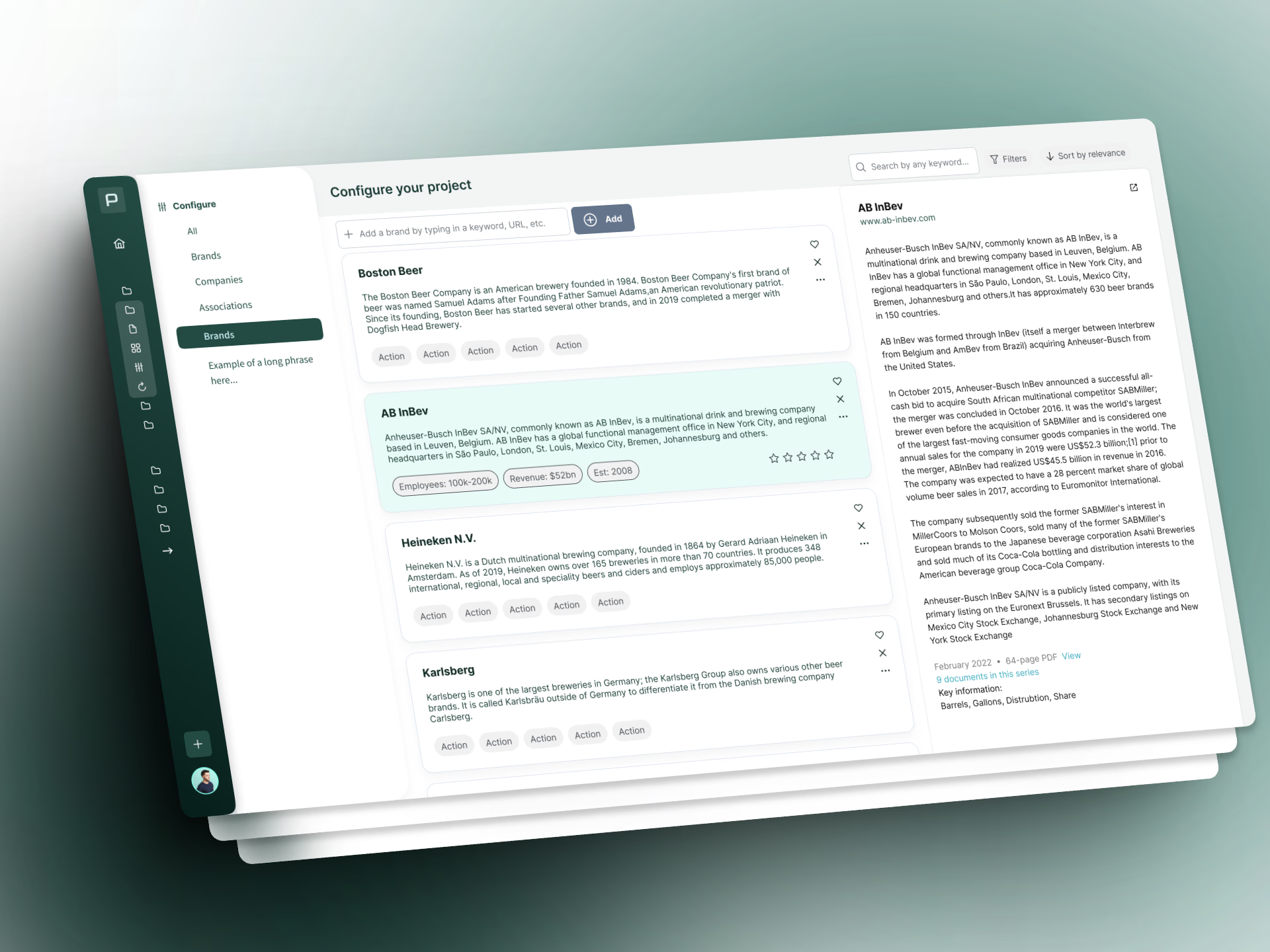
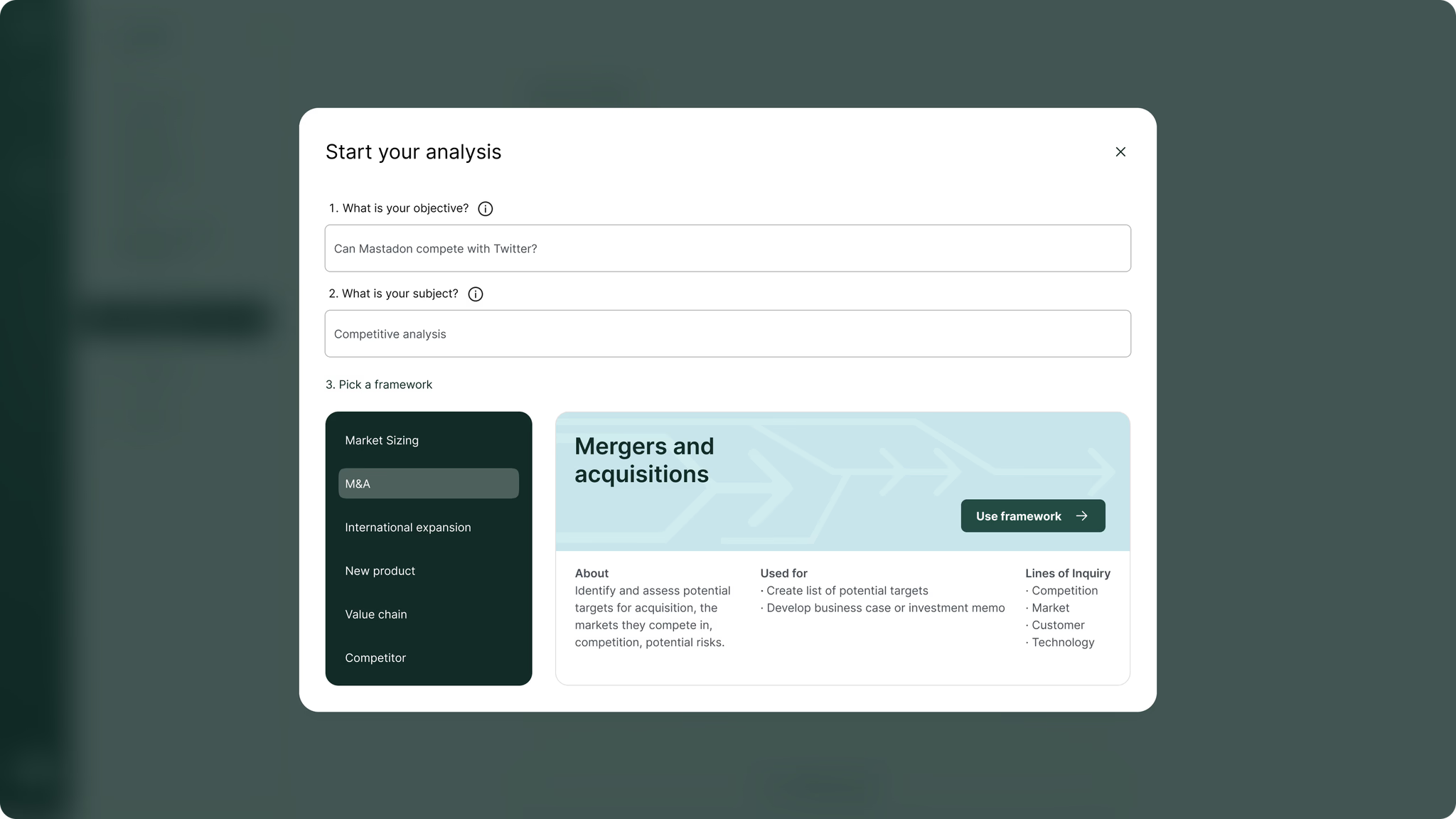
The final model was a hybrid: AI-guided prompts within a structured framework that users could navigate non-linearly. The framework provided rigour; the AI provided the feeling of collaboration. Every major decision was prototyped and stress-tested against real business scenarios before moving to high fidelity.
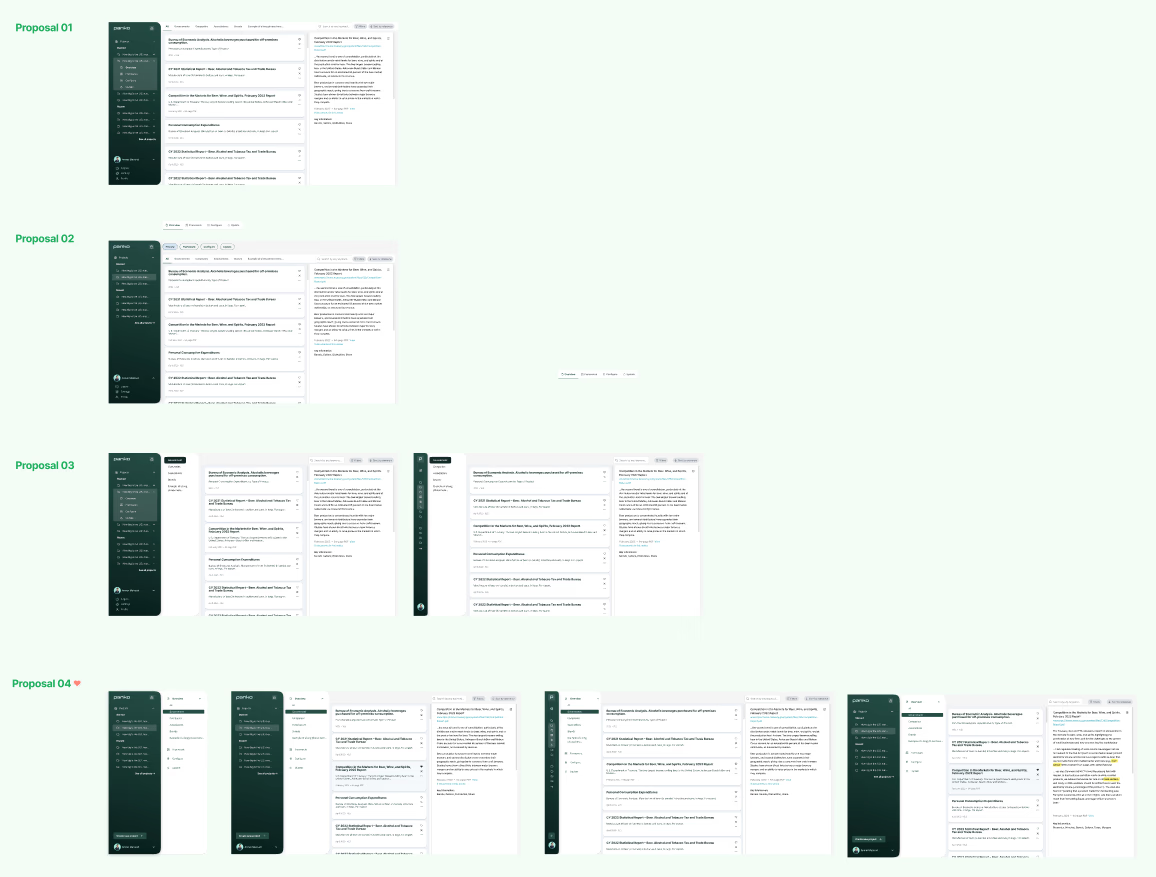
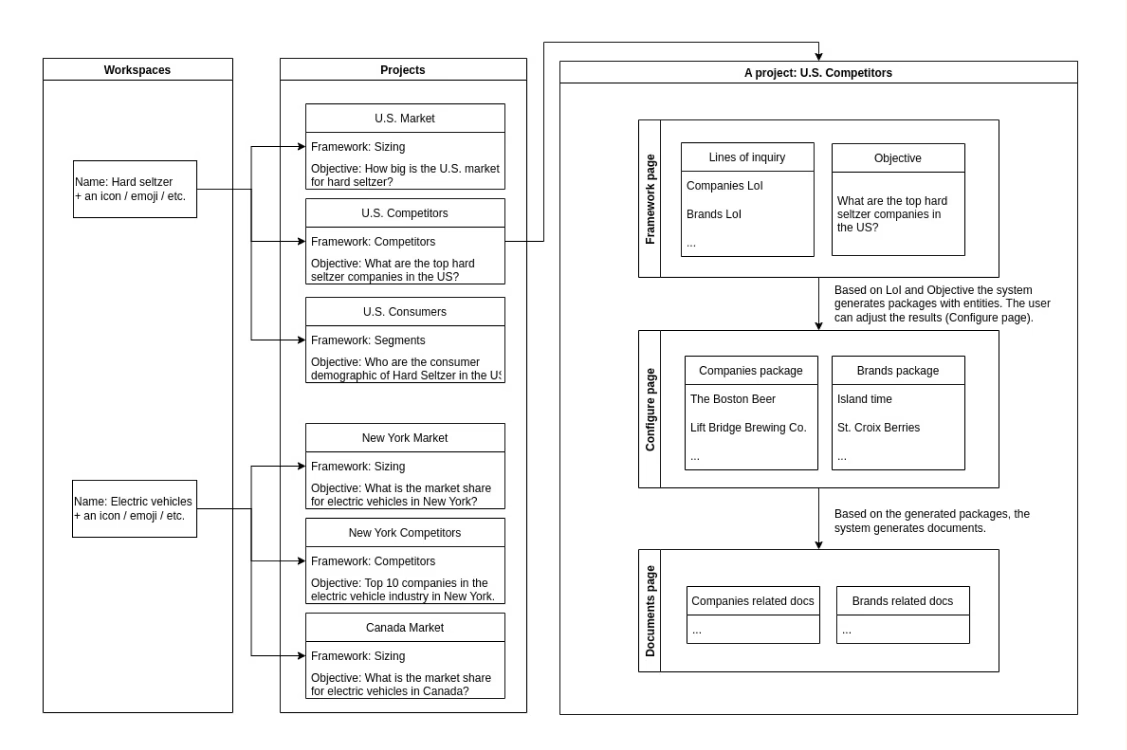
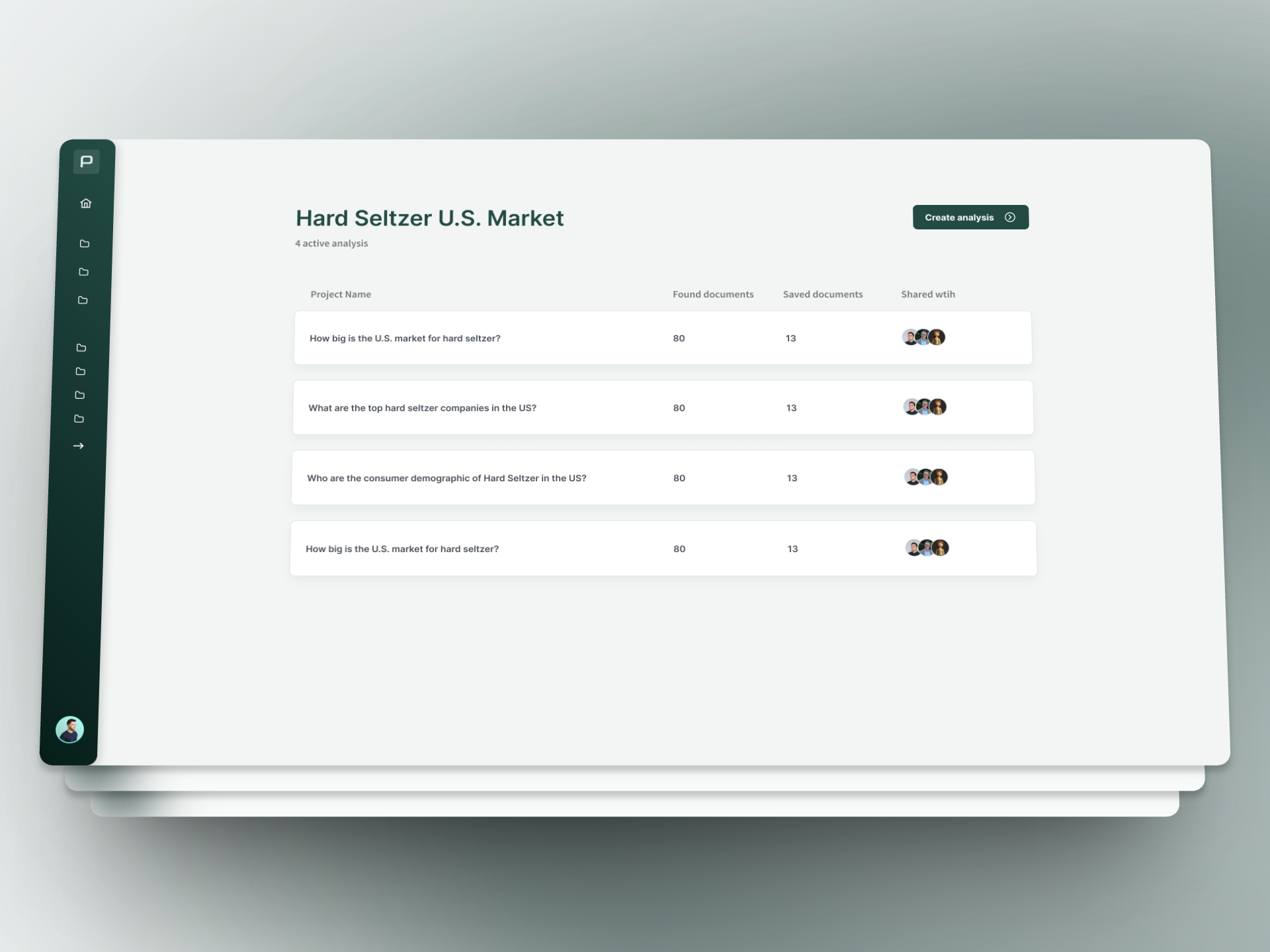
Final Designs
My Role
Solo Designer · ~6 months
I owned everything from product framing to final Figma specs, working in close collaboration with Seth to shape both the product vision and the interaction model.
The company did not continue through launch, but the work remains strong 0→1 evidence: four research tracks, structured user interviews, a novel interaction model, and a product surface built without an established category to borrow from.
0→1 under VC timelines is a specific kind of design pressure. You're inventing the interaction model for a category that doesn't exist yet, with a runway that has a real end date, and a CEO who needs to believe in the product you're showing them. That's where design instincts either sharpen or break. These sharpened.